

Ecological Restoration Design + Implementation
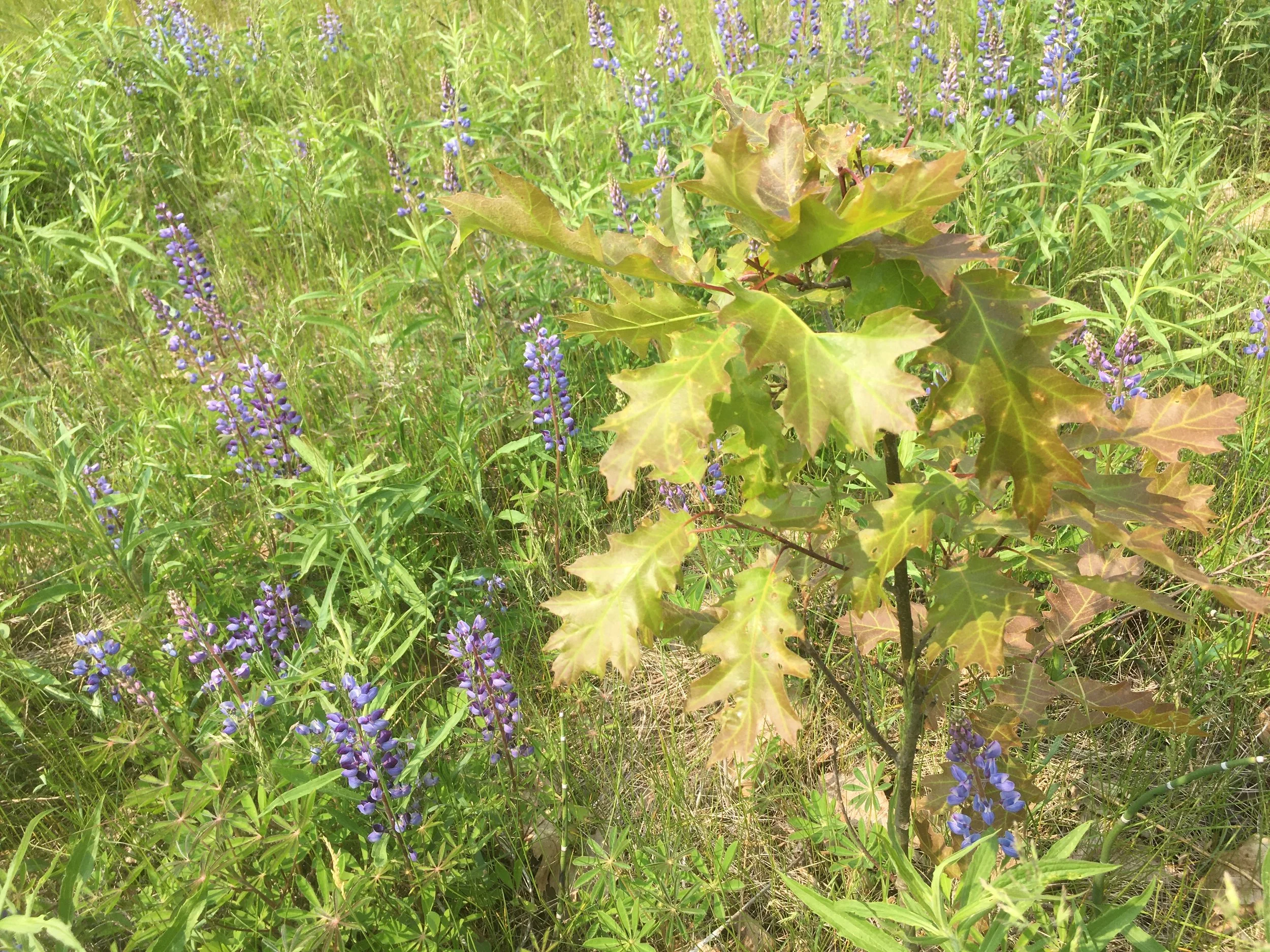
The goal is to implement a longterm ecological strategy that works for you and your property — with your property’s unique history and characteristics central to all decision making; restoring native ecology, increasing biodiversity, sequestering more carbon dioxide, and bringing joy and excitement to all who interact with the site.
Our design plans offer comprehensive ecological site analyses, identifying key native species and problematic invasive species; project infrastructure recommendations, design and construction, like essential burn brakes (which double as hiking trails), bridges, boardwalks, benches; coordinating with, and providing advisory input from, certified Burn Bosses before any prescribed burning is performed; bringing knowledge and expertise of key provincial and municipal legislation, to make the process as streamlined as possible; developing a longterm maintenance plan, with biannual burn plans built in; and advising on government grants and tax incentives available to landowners.
Once a plan of action is decided, EcoStrategy staff see it through to completion.
Dealing with disturbed sites can be daunting… we’ll help demystify the process of restoration and make the results beautiful.
Fire Tech 101
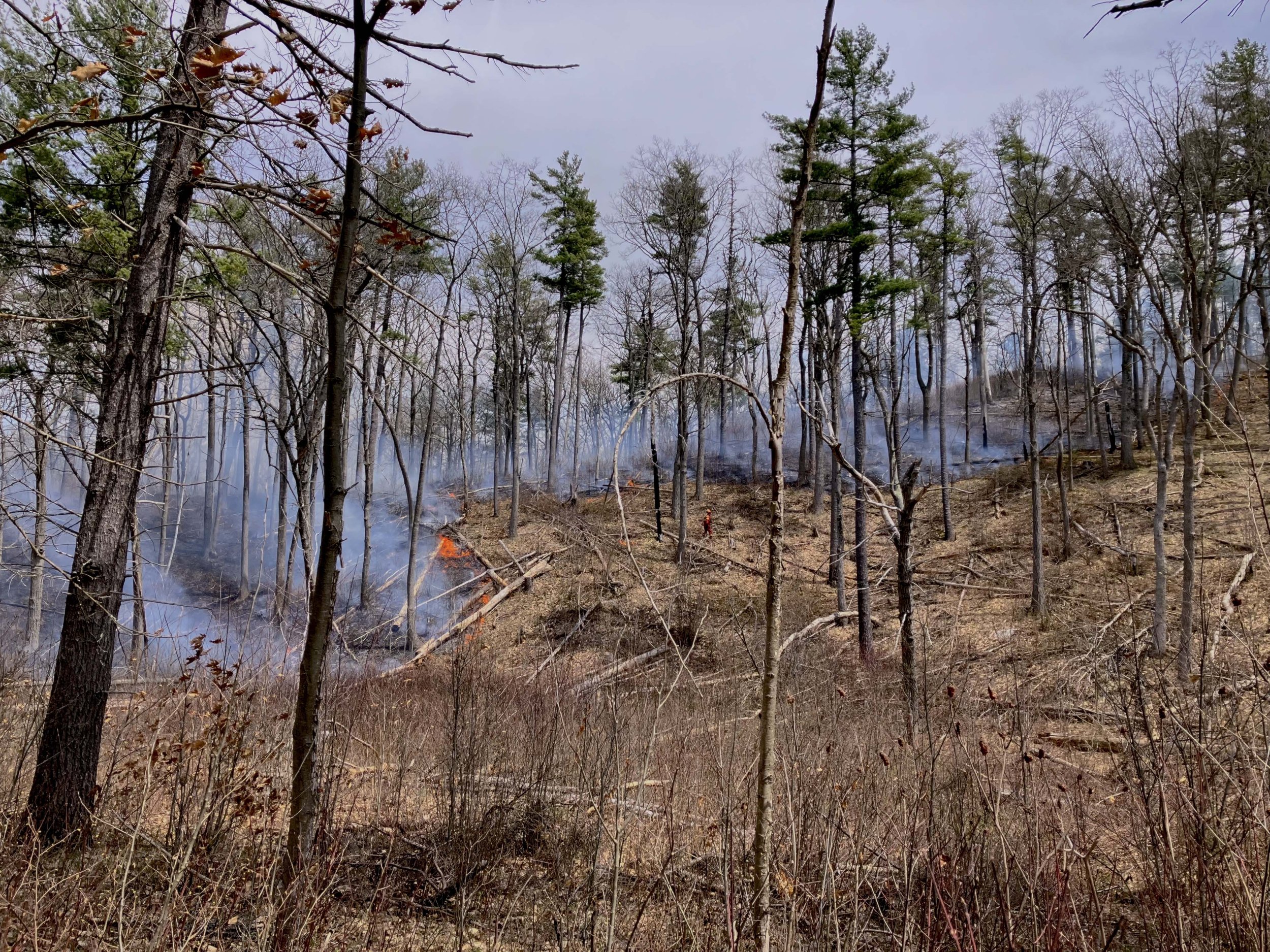
Fire technology has been used in North America for centuries to manage, maintain, and regenerate unique ecosystems like the Ontario Tallgrass Prairie Savanna.
Although our society has evolved to fear wildfire and optimize for its complete suppression, that mindset can be counter-intuitive, and actually quite damaging.
We’ll show you how there is another way. . .
We’ll help you negotiate the complex shift toward understanding prescribed burning as natural, efficient and healthy process, and one that can greatly benefit your property’s ecology.
Ultimately, we want to change your attitude toward ecological fire technology, embrace it as a friend rather than a foe, and help create the grassroots groundswell necessary to change uninformed attitudes and perceptions.
Problem Invasive Species? . . there is a no-pesticide option.
Eradication thru planned management. . .
Eliminating invasive species takes time. Typically, a 2-3 year time horizon is required; one that observes focussed manual removal. The goal is to weaken the plants, and starve them of energy, so all future proliferation ceases.
Admittedly, employing deadly herbicides yield immediate results. But, immediate too are the harmful effects of poison being injected back into the land, swapping one problem for another.
We take the natural approach.
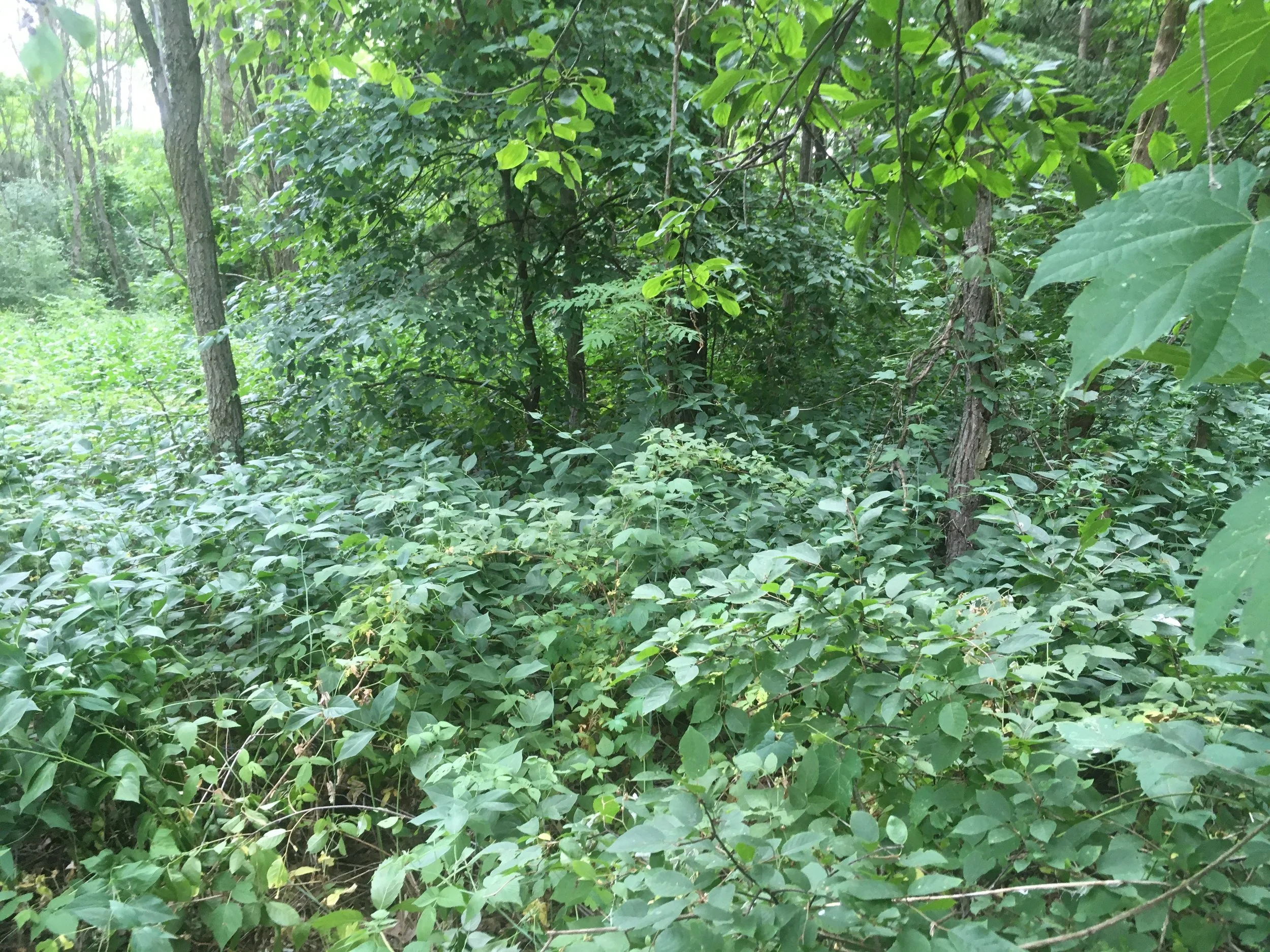
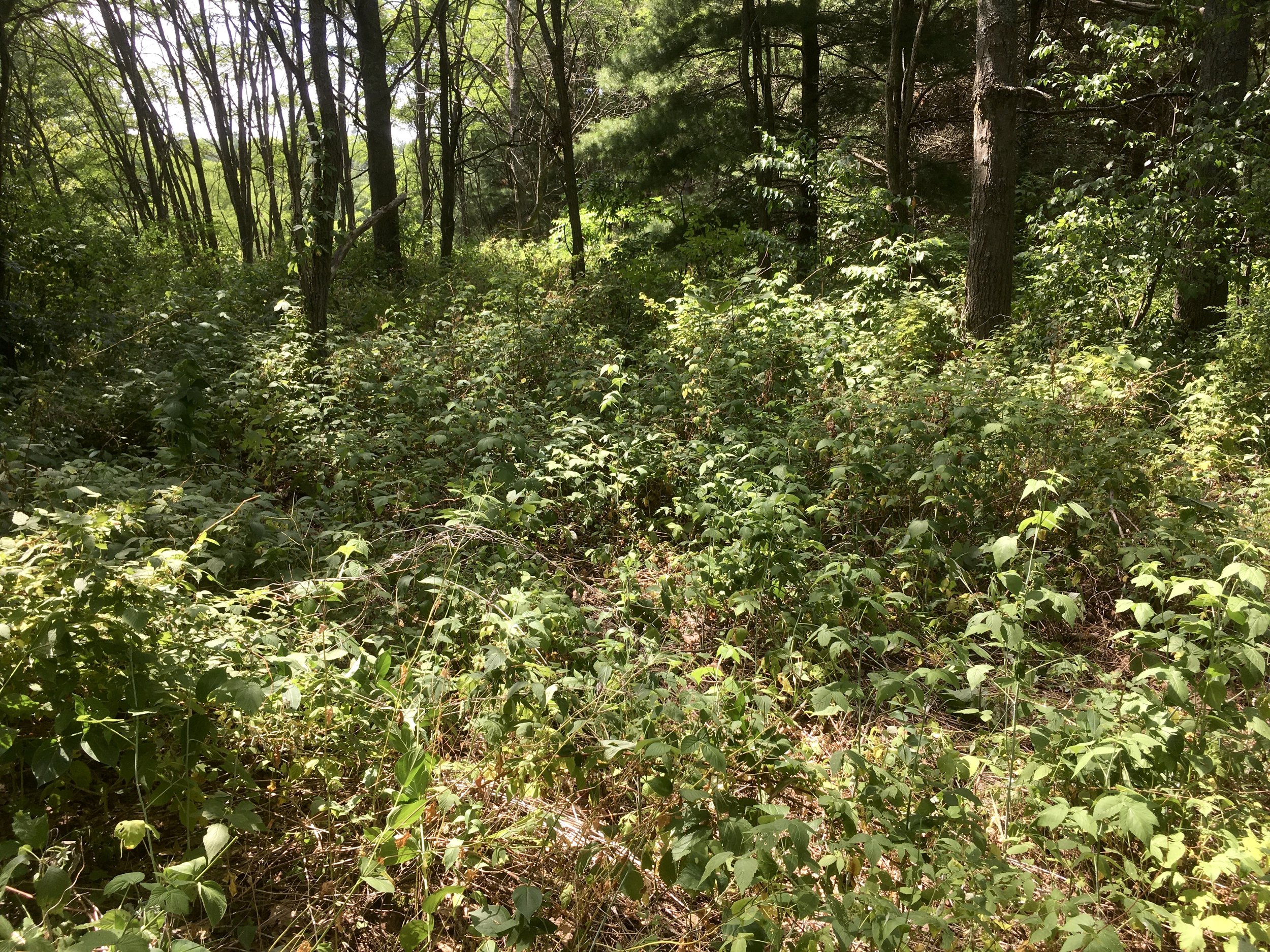
Specializing in no-pesticide removal of problem species like Buckthorn, Wild Parsnip, Dog strangling Vine, Giant Hogweed, Poison Ivy, and more. . . Observe the results before and after of a strategic, coordinated eradication effort to eliminate DSV, and allow the native raspberry to re-establish >
What we’ll strategically eliminate:
-Buckthorn
-Wild Parsnip
-Dog Strangling Vine
-Poison Ivy
-Giant Hogweed
-Juniper
-Dead Standing Ash
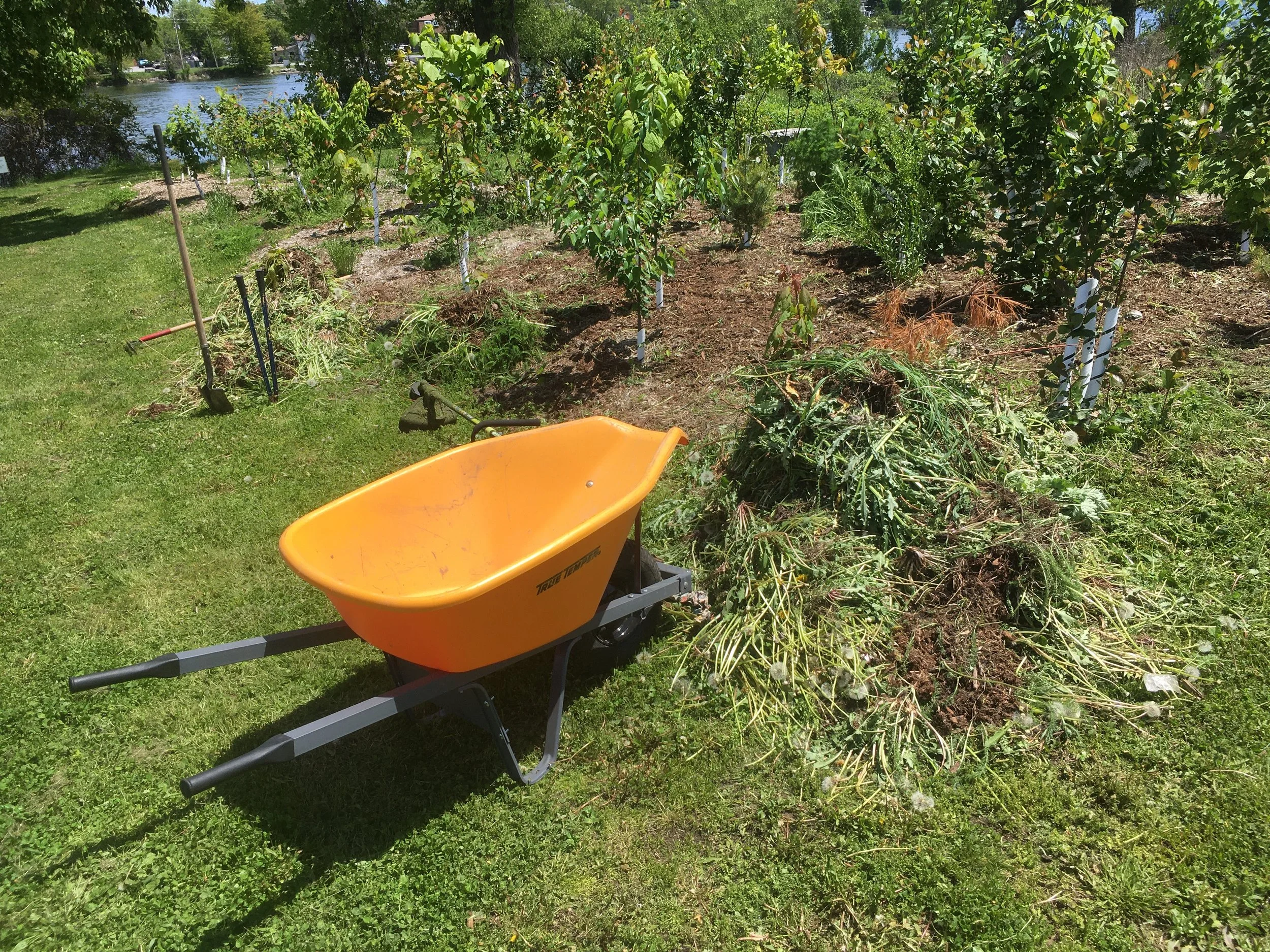
Re-wilding and custom landscape design
Natural mulching with repurposed, local materials
Coordinated planting with local native species.